Protector Boats Canada
A tender boat is a smaller support boat carried by, or travelling alongside, a larger yacht or superyacht. It ferries passengers, crew, supplies and equipment to shore or between vessels, and often doubles for water sports or safety duty. Rigid inflatable boats dominate the category for their stability and easy handling alongside a swim platform or garage.
What a Tender Does for a Larger Yacht
On board a superyacht, the tender is the boat that actually gets used. It carries the owner and guests from an anchorage to a beach or restaurant, brings crew and provisions back from shore, and moves people between vessels when two yachts raft up or meet at sea. A tender also extends what the mothership can do without moving it: towing a diver's flag, laying a line to a mooring, running someone ashore for a forgotten item, or standing by as a safety boat during swimming and water sports. Because it does all of this in the yacht's own wake, at anchor and close to shore, a tender needs to be manoeuvrable at low speed, stable when guests are boarding from a swim platform, and durable enough for daily use rather than occasional outings. Most of a large yacht's actual running hours happen in the tender, not the mothership itself.
Why RIBs Dominate the Tender Category
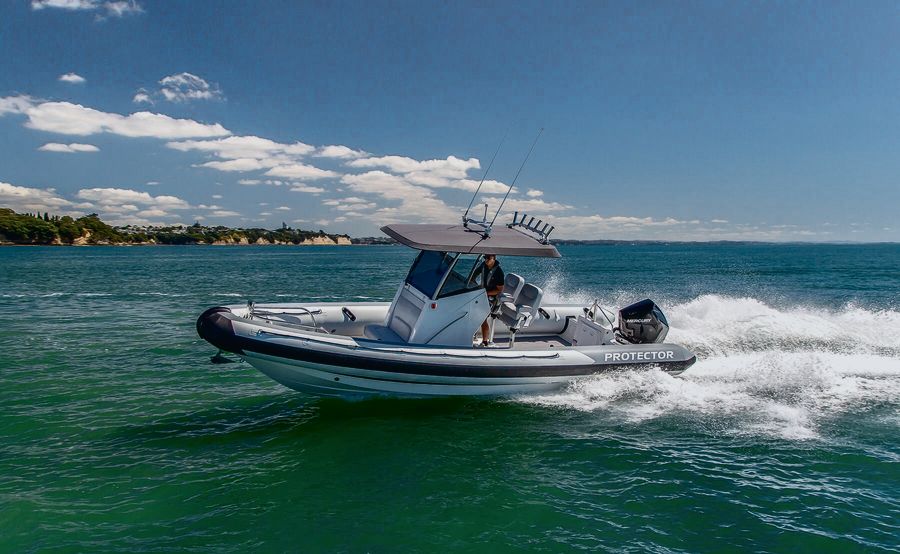
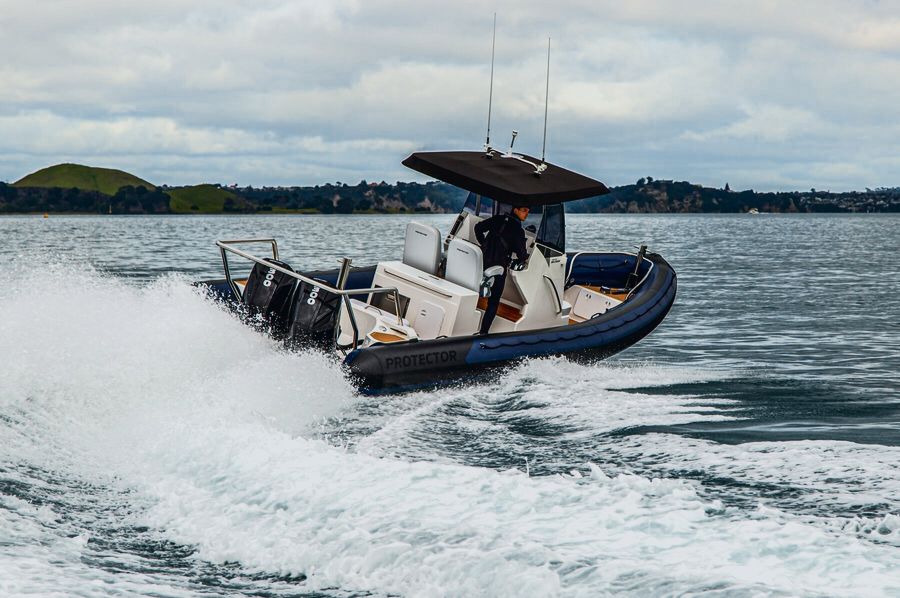
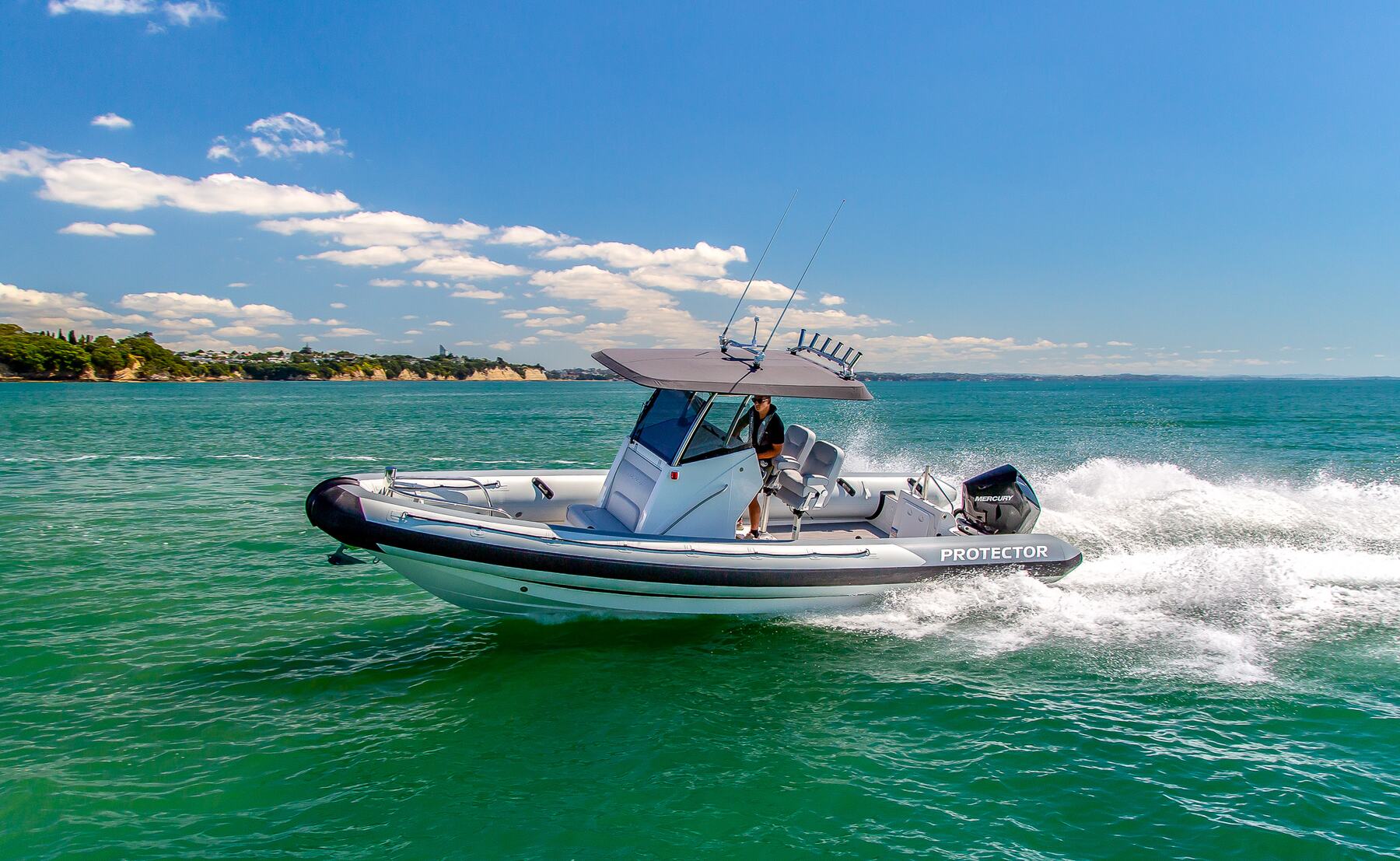
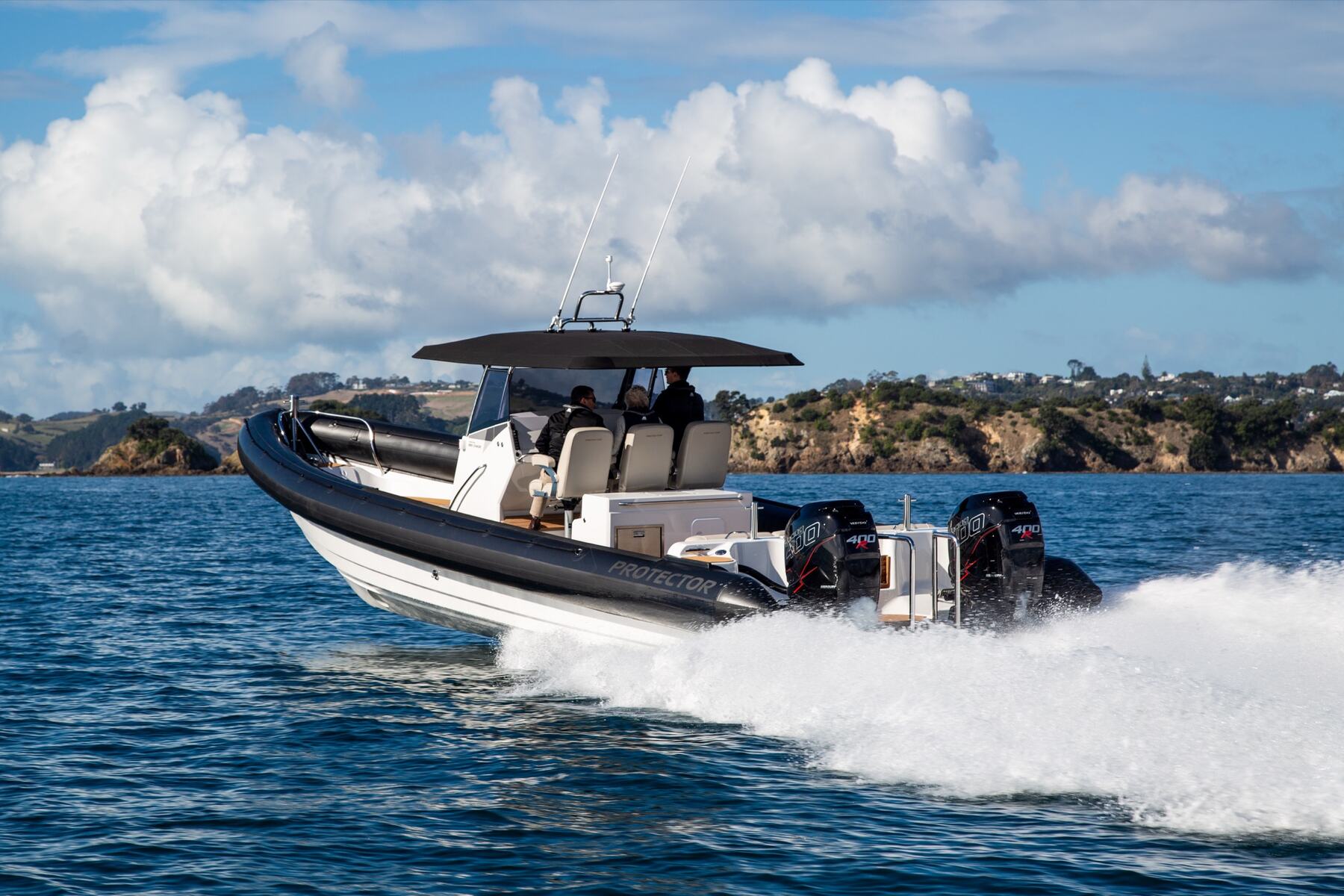
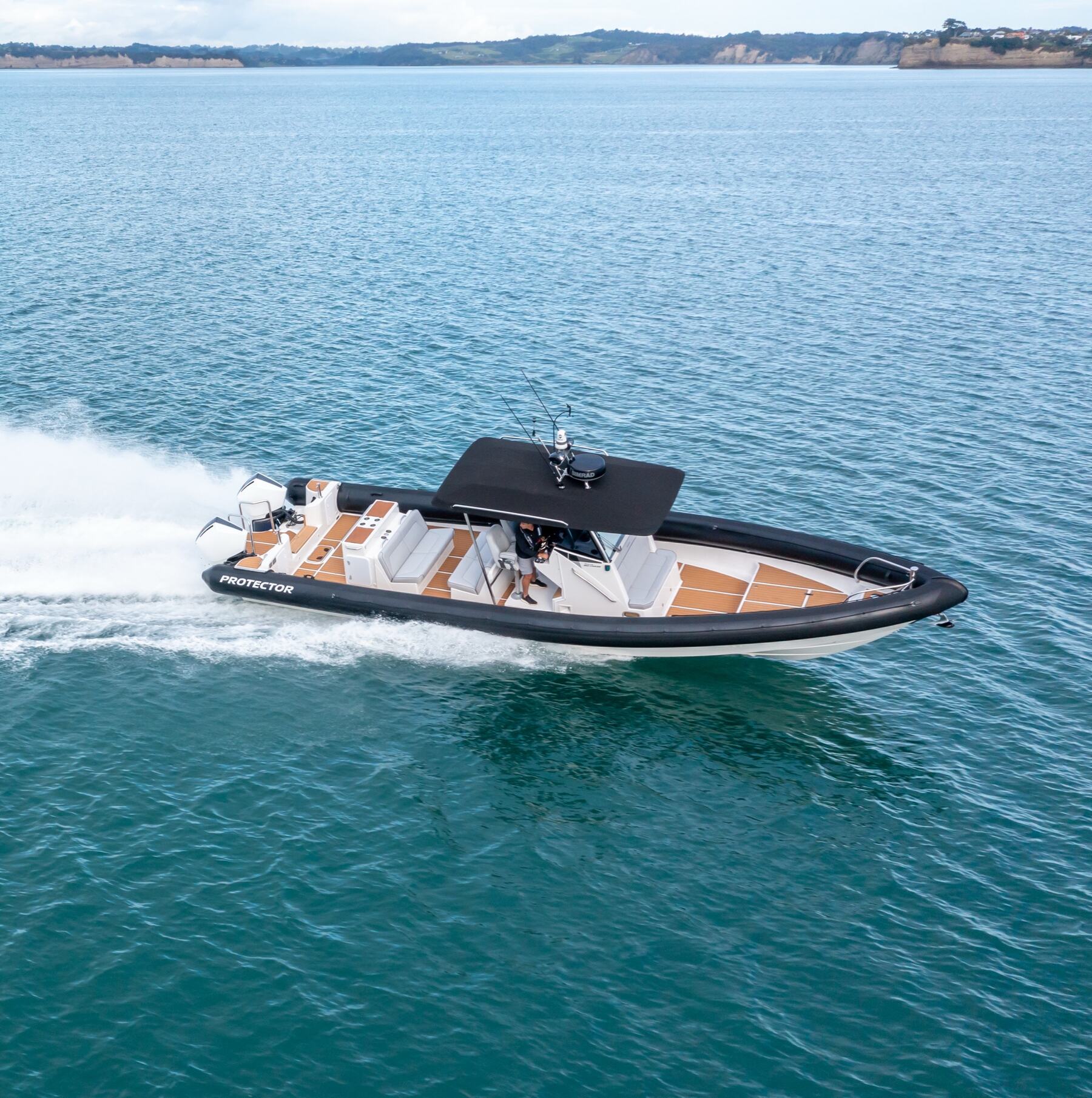
Most yacht and superyacht tenders are RIBs — rigid inflatable boats that pair a solid hull with pressurized tubes around the gunwale. Those tubes are what make a RIB the practical choice for tender duty: they absorb the knock of a hard alongside approach to a swim platform or dock, add buoyancy and stability at low speed while people step on and off, and let the boat carry a full load of passengers and gear without the added weight of a full hard-shell hull. A RIB's low weight-to-capacity ratio also matters for the mothership: every kilogram carried in davits or a garage is a kilogram the yacht itself has to lift and stow. Hard-shell tenders and personal watercraft still have their place for specific roles, but for the everyday job of ferrying people safely and repeatedly, a RIB is the default choice. For more on what sets a RIB apart from other small-boat hull types, see our guide to what a RIB is.
| Tender Type | Stability Alongside a Swim Platform | Weight-to-Capacity | Fit for Garage/Davit Storage | Typical Role |
|---|---|---|---|---|
| RIB (rigid inflatable) | High — tubes cushion contact and add stability at low speed | Low relative to capacity | Compact for its passenger capacity; widely used because it fits standard garages and davits | Primary yacht tender; also patrol, chase-boat and safety duty |
| Hard-shell tender | Lower — no tube cushioning against the platform or dock | Higher for the same capacity | Similar footprint to a RIB but heavier for lifting gear | Occasional use where a more finished, yacht-styled look is wanted |
| PWC / jet tender | Low freeboard, less stable for multiple boarding guests | Very low | Very compact; easiest to stow in tight spaces | Fast errands, water sports, single or paired riders |
| Soft-sided inflatable | Lowest — flexes and moves against a hard platform | Lowest | Folds or deflates for storage | Backup or spare tender rather than primary duty |
Sizing and Garage-Fit Considerations
A tender is never sized in isolation. It is sized to fit the mothership. Most superyachts stow their tender in a transom garage, a below-deck space with a door that opens onto the swim platform, or on deck in davits that lift the boat clear of the water. Both storage methods set hard limits: garage openings have fixed height, width and length dimensions, and davits have a maximum lift weight alongside their own reach and swing clearance. That means a tender's length, beam, tube diameter and even console height are constrained well before questions of speed or seating come up. A boat that performs perfectly on the water is the wrong tender if it does not clear the garage door or exceed the davit's rated capacity. This is why tender specification on a real order starts with the mothership's own dimensions and lift capacity, not with a model number. The garage or davit envelope comes first, and the tender is built to fit inside it.
Commercial vs Private-Yacht Tenders
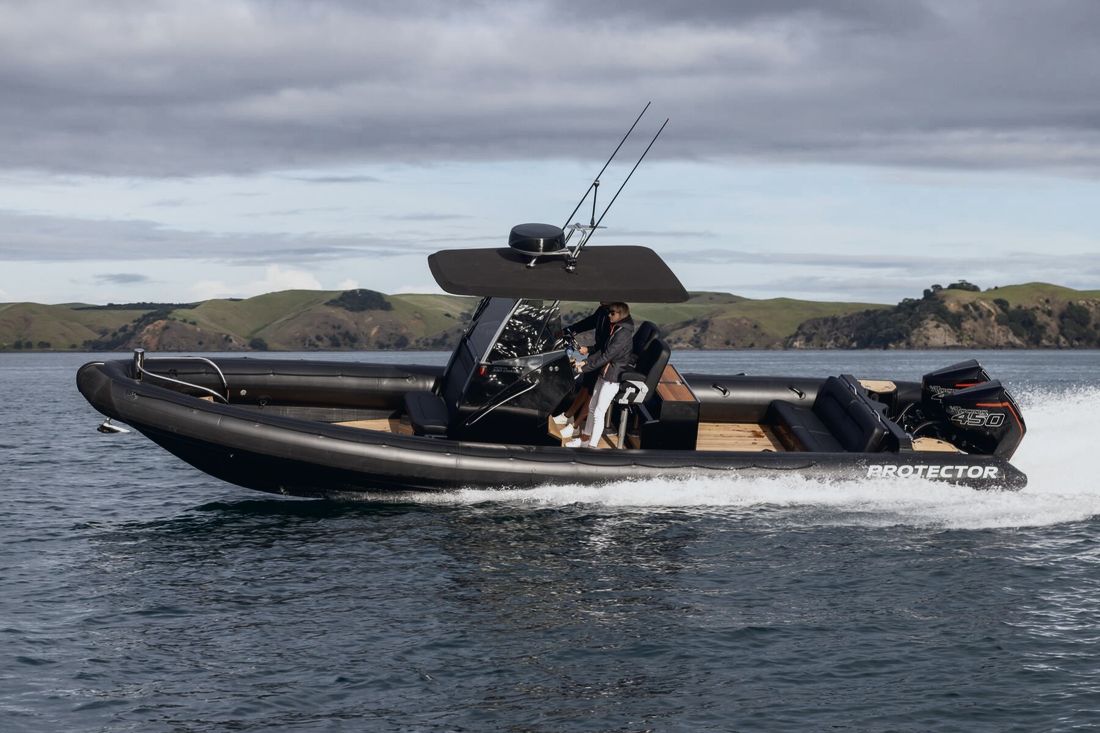
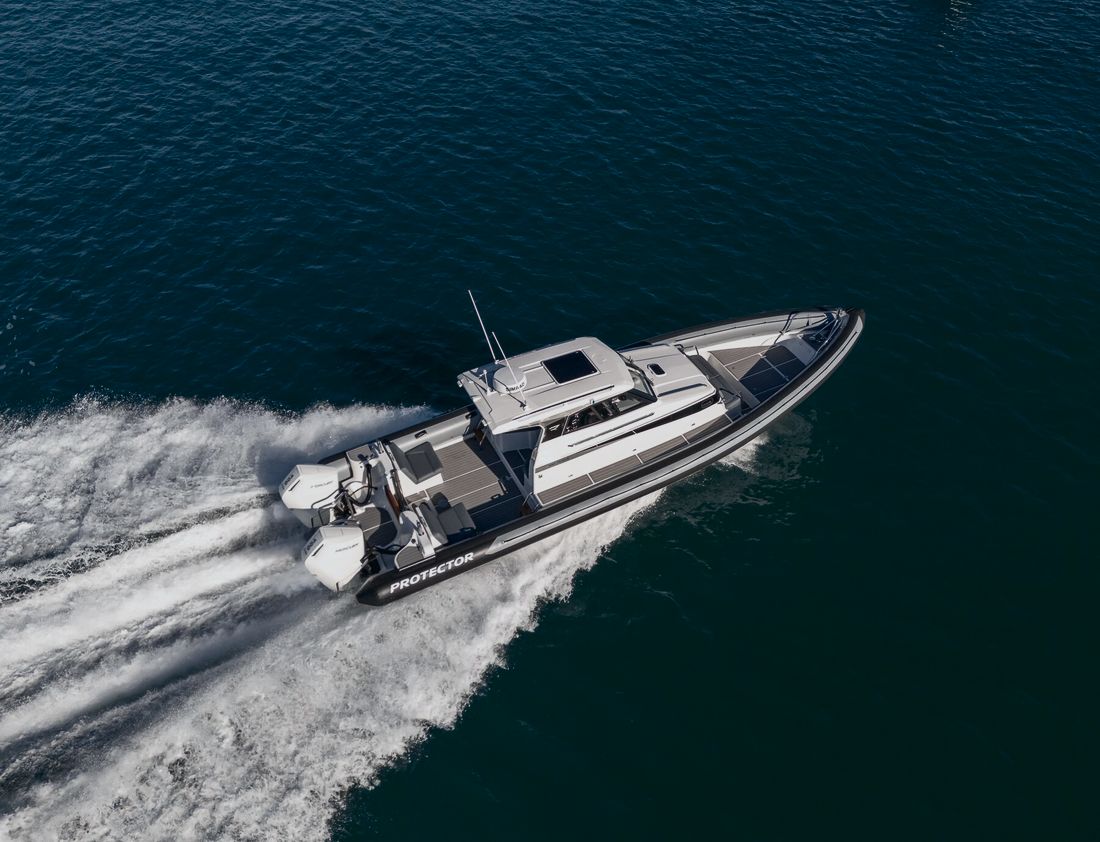
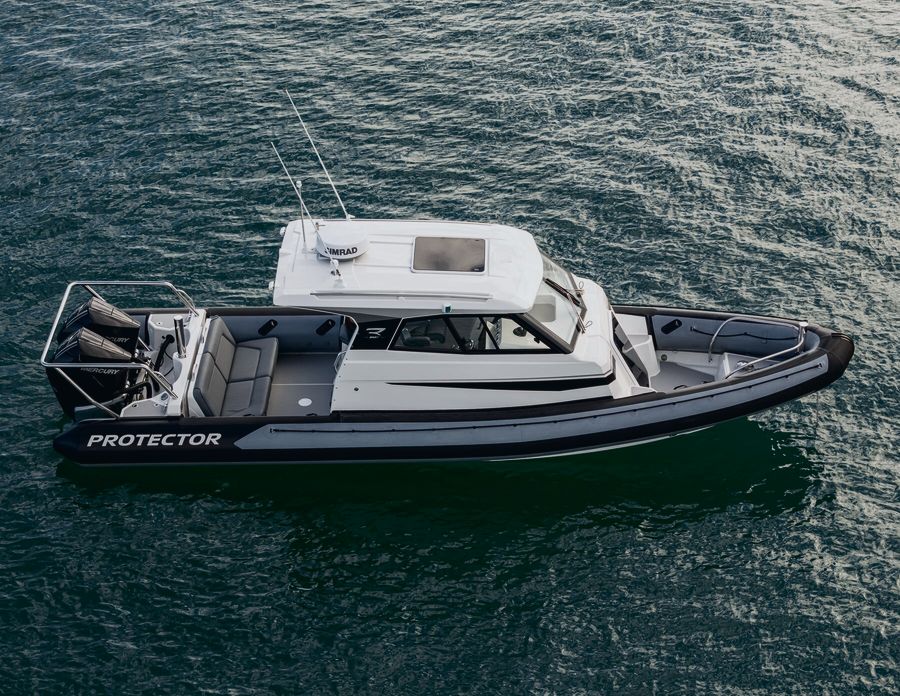
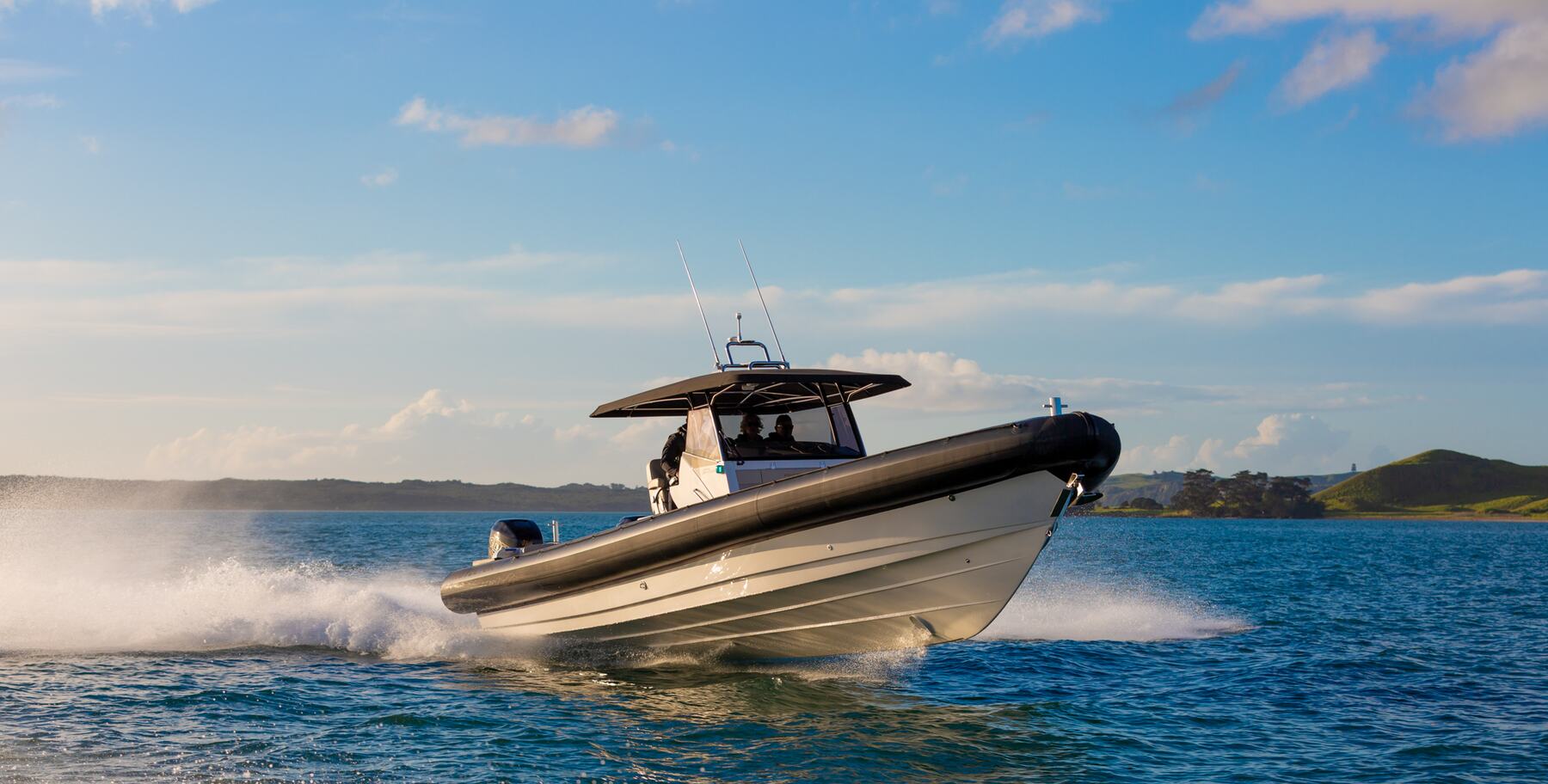
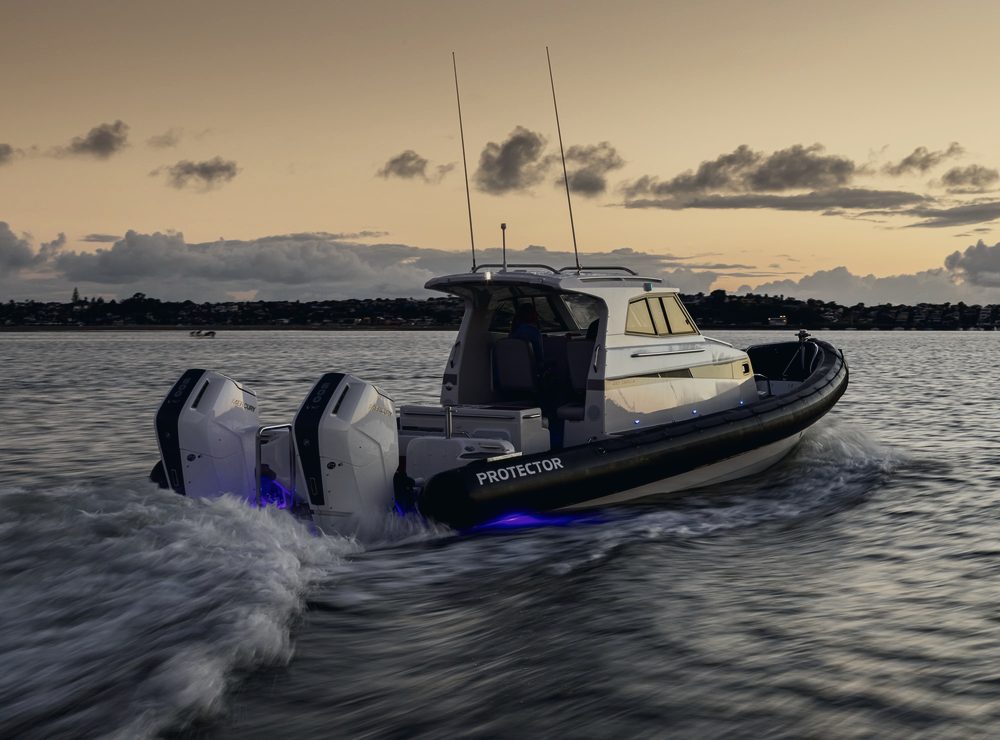
Not every RIB carried by, or working alongside, a larger vessel is a private yacht tender. The same hull format does patrol, safety and Coastguard duty, supports research vessels, and doubles as a chase boat for sailing events. In those roles the boat needs to keep pace with fast-moving vessels rather than simply ferry guests ashore. Protector RIBs cover both ends of that range: the same underlying build has worked in demanding patrol and chase-boat roles, alongside its role as a private superyacht tender. What changes between a commercial and a private-yacht build is largely the specification — seating, upholstery, electronics and finish for an owner's tender; deck space, mounting points and durability for a patrol or chase role — rather than the fundamentals of hull, tubes and layout.
Protector as a Superyacht Tender
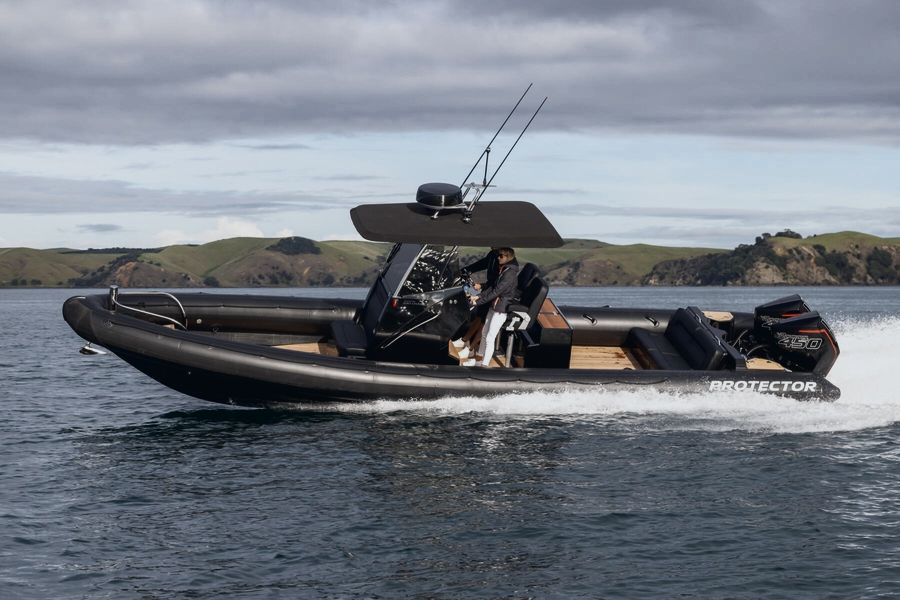
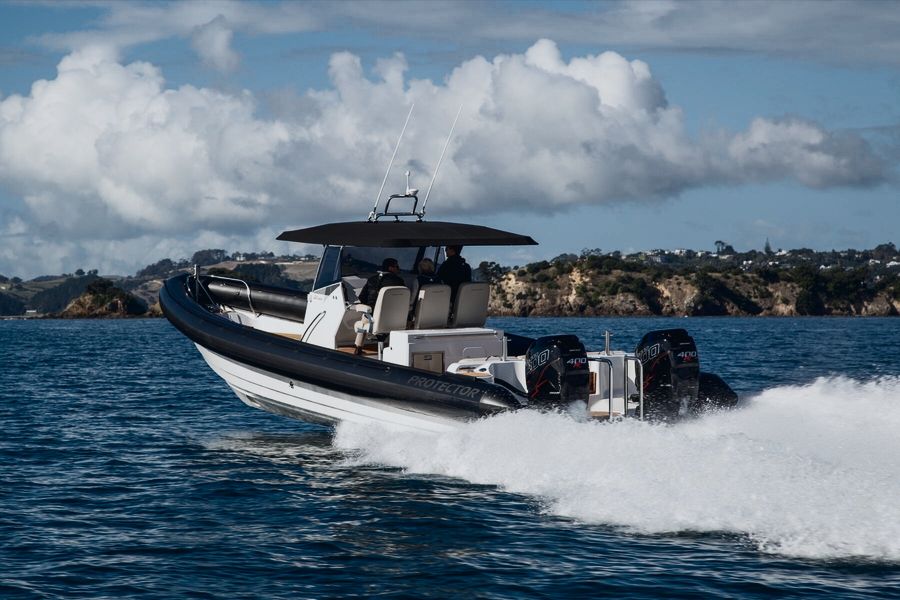
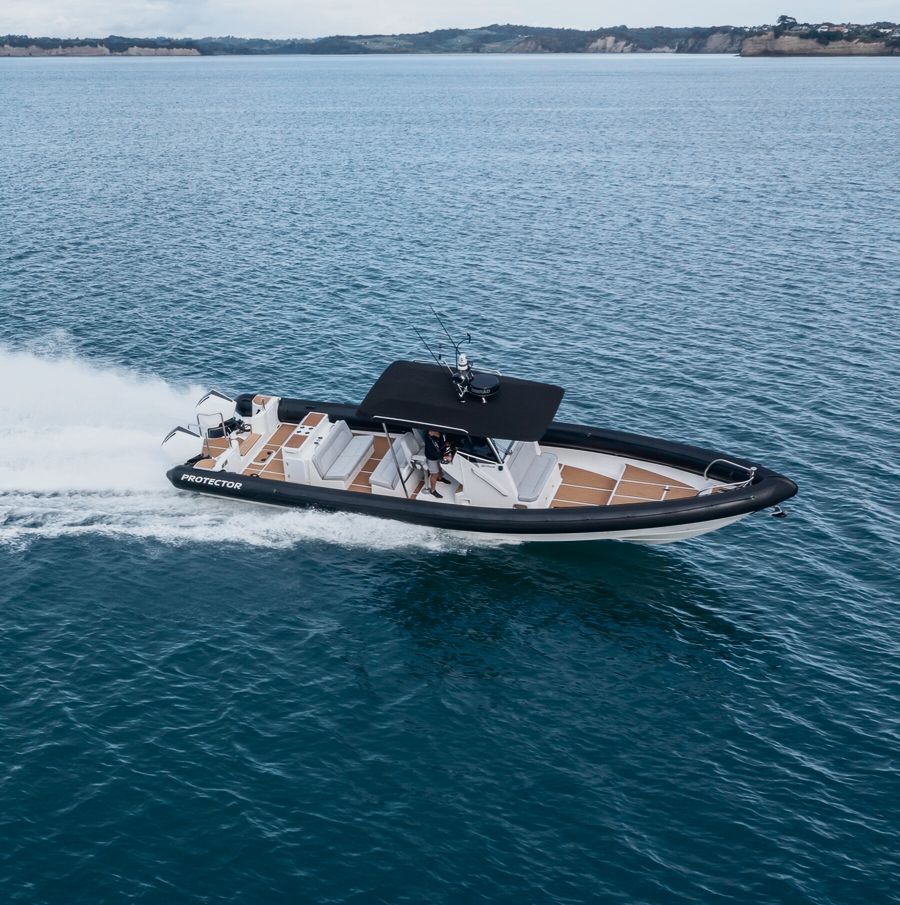
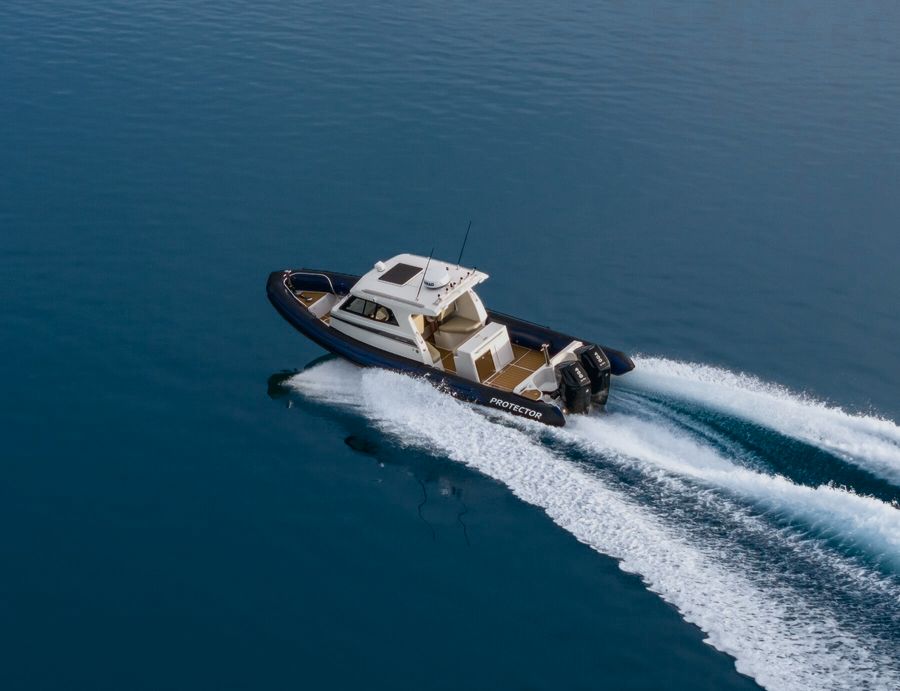
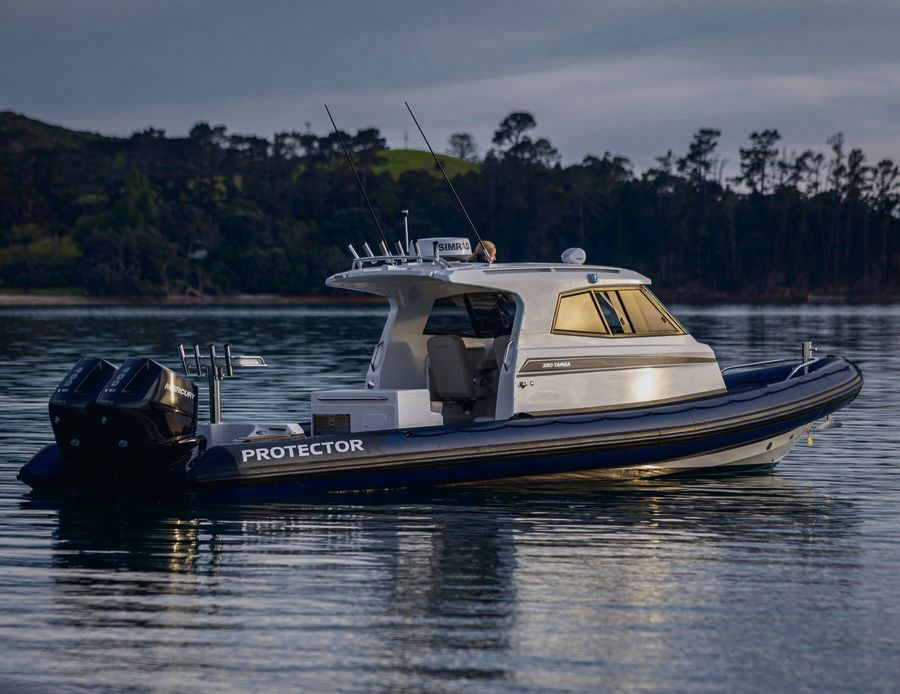
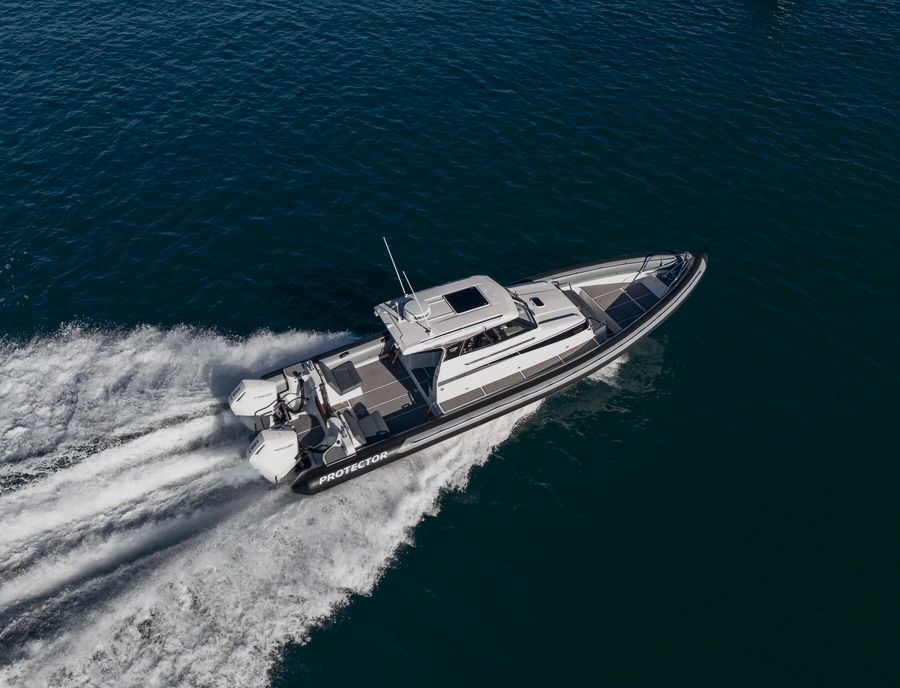
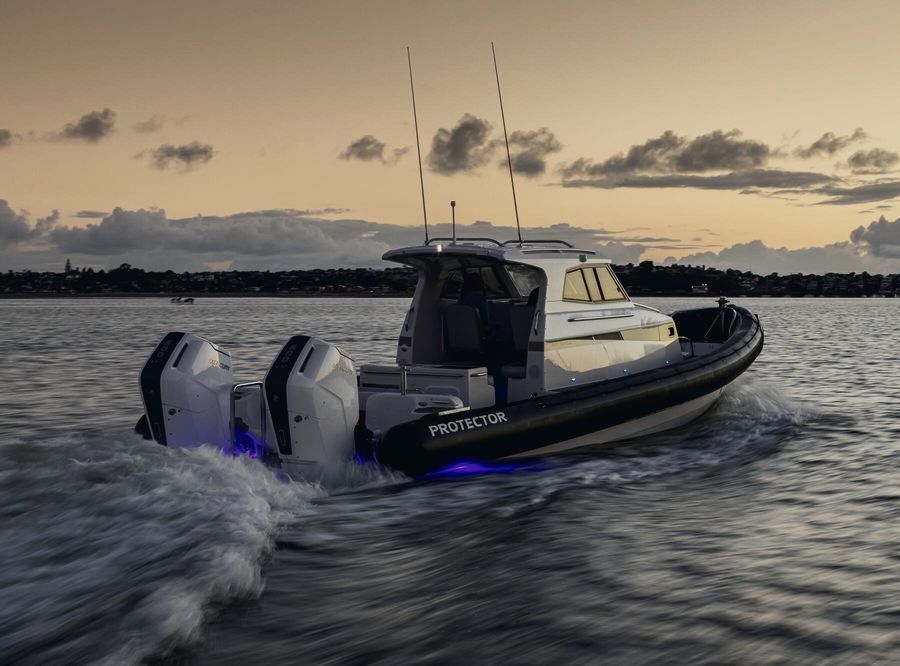
Protector RIBs are built by Rayglass in Auckland, New Zealand, and many of them are superyacht tenders. Protector Boats Canada specifies every Protector sold here to fit one customer's boat and one customer's use — including the garage or davit dimensions of the mothership it will be carried on. For the full range built specifically for yacht-tender duty, see our dedicated superyacht tenders page.
Frequently asked questions
What's the difference between a tender and a dinghy?
In practice the terms overlap, but 'dinghy' usually implies a small, simple rowing or light-outboard boat, while 'tender' describes any support boat carried by a larger vessel — including full-size RIBs with cabins, twin engines and dedicated crew. A superyacht's tender is rarely a dinghy in the traditional sense.
Does every superyacht carry more than one tender?
Many do. A common arrangement is one larger 'guest' tender for day trips and provisioning runs, and a second, faster tender for water sports, diving or crew errands — each sized differently and stowed in a separate garage or davit position where the yacht has room for it.
Can a yacht tender double as a safety or dive-support boat?
Yes — it's one of the roles tenders are routinely built for. A RIB's stability, low freeboard for recovering swimmers, and ability to sit at idle alongside divers or water-sports guests make it suited to safety and support duty as well as transport.
Why do so many tenders look like small versions of commercial or Coastguard boats?
Because they often share the same hull and build heritage. Manufacturers that supply Coastguard, patrol and chase-boat fleets use the same underlying RIB platform for private superyacht tenders, then specify the finish, seating and electronics differently for each role.